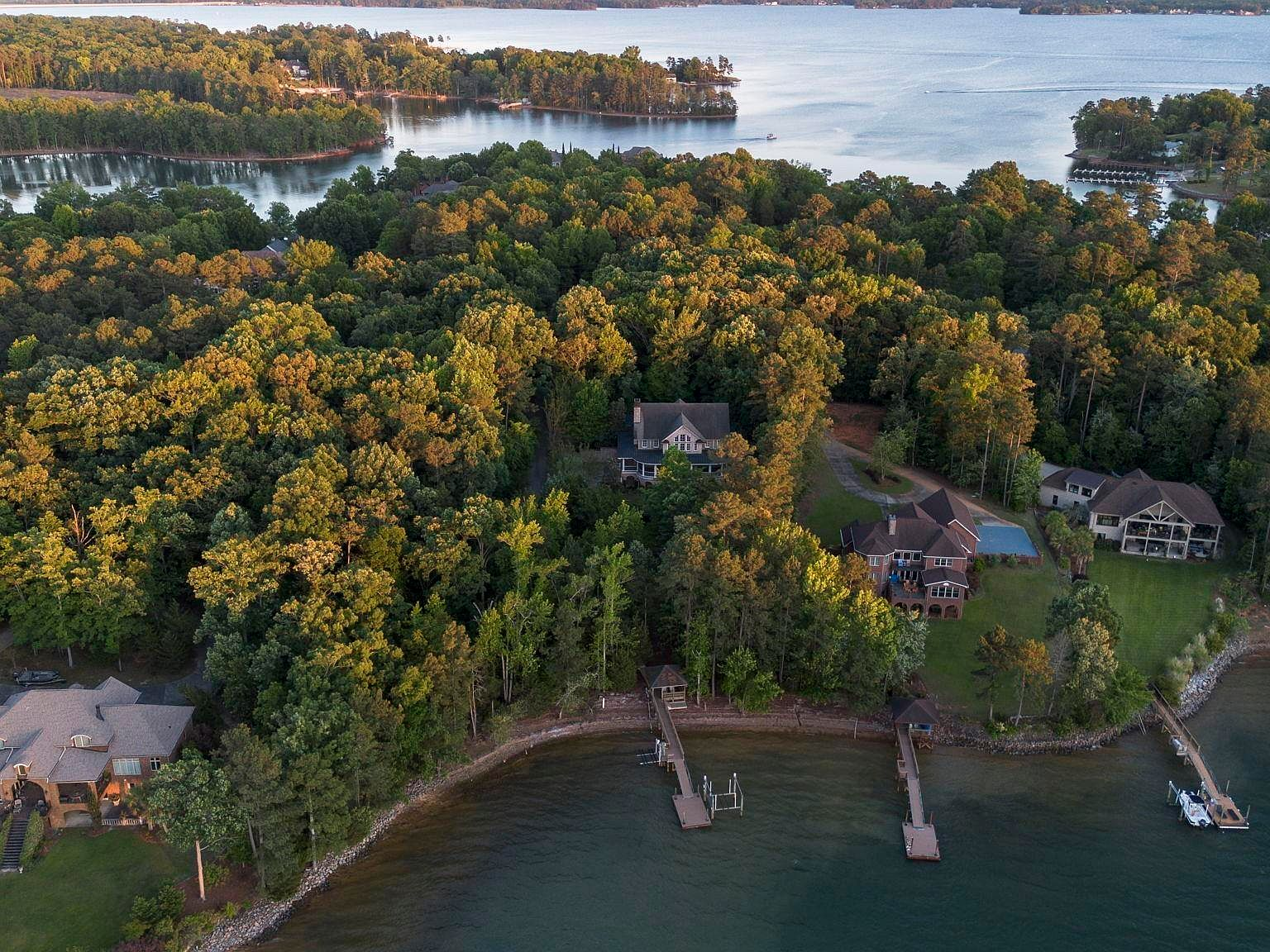
A Buyer’s Field Guide
Lake Murray vs. Lake Norman: Comparing Waterfront Living
A balanced, fact-based look at two of the Carolinas’ best-known reservoirs, written for buyers deciding where their dock belongs.
The Short Version
Two Great Lakes, Two Different Lives
Lake Murray in South Carolina and Lake Norman in North Carolina are both large, well-established Piedmont reservoirs with long shorelines, reliable boating, real waterfront communities, and striped bass in the water. But they anchor two very different metro areas, and the day-to-day feel of living on each one is genuinely different. Neither is the “better” lake; the question is which one fits the way you actually live.
This guide sticks to publicly verifiable facts: where each lake sits, how big it is, how the water levels behave, how dock permitting works, and what the surrounding lifestyle offers. If you are seriously comparing the two, tour both, check current water levels, and talk to a local agent in each market before you commit.
Location & Access
Which Metro Is Yours?
Columbia, SC & Lake Murray
Lake Murray sits roughly 15 miles from downtown Columbia, South Carolina’s capital and the home of the University of South Carolina. From the dam end of the lake, downtown Columbia, Irmo, and Lexington are all about 20 minutes or less by car, and Columbia Metropolitan Airport (CAE) is roughly 25 minutes from the lakeshore. The shoreline stays wooded and quiet, but the city is never far.
Charlotte, NC & Lake Norman
Lake Norman lies about 25 miles north of Uptown Charlotte, with Interstate 77 running along its eastern shore. Huntersville, Cornelius, and Davidson sit at the south end, and Mooresville anchors the northeast. Charlotte Douglas International Airport (CLT) is a major hub, roughly 30 minutes from the southern lake towns and about 40 from Mooresville. In exchange for that access, you get a larger, faster-moving metro.
Size & Scale
The Numbers, Side by Side
Lake Murray
South Carolina- Location About 15 miles from downtown Columbia, SC
- Surface Area About 50,000 acres
- Shoreline Roughly 650 miles
- Built & Operated Saluda Dam, completed 1930; Dominion Energy
- Full Pool 360 feet above sea level
Lake Norman
North Carolina- Location About 25 miles north of Uptown Charlotte, NC
- Surface Area 32,510 acres, the largest lake in North Carolina
- Shoreline Roughly 520 miles
- Built & Operated Cowans Ford Dam, completed 1963; Duke Energy
- Full Pool 760 feet above sea level
On paper, Murray is the larger lake, and on the water it shows: the main body near the dam opens wide enough that you can feel a long way from shore. Norman is smaller in surface area but still the largest lake in North Carolina, and its shape is different, with the flooded Catawba river channel and long coves folding between ridgelines. Both lakes have hundreds of miles of shoreline and dozens of communities; the difference is character, not quality.
Water clarity follows what runs into each lake. Both are Piedmont reservoirs, so the creeks carry a natural tannin tint while the open main channels run clearer, and visibility shifts with rainfall, wind, and season. Anyone expecting a clear mountain lake should adjust expectations on either body of water; anyone expecting good boating will find it on both.
Water & Docks
How Do Water Levels and Dockability Differ?
The absolute elevations, 360 feet above sea level on Murray and 760 on Norman, matter to engineers, not to boaters. What matters is the seasonal swing. Both lakes are drawn down a few feet in the fall and winter to create flood storage, then refill through spring and summer. Lake Murray typically runs near full pool in summer, around 358 feet, and drops to roughly 355 feet in winter. Lake Norman is managed in a similar band, usually within about two to five feet of its 760-foot full pond through the season.
That matters because a dock that floats comfortably at summer pool can sit differently in a dry February. On either lake, the depth a drain plug, propeller, or a boat lift needs must hold at winter pool, not just at the summer waterline. It is the single most practical question in any waterfront purchase.
Dock Permits on Both Lakes
- On Lake Murray, Dominion Energy owns the shoreline below the 360-foot contour and approves every dock, lift, and ramp.
- On Lake Norman, Duke Energy controls everything below the 760-foot full-pond line and runs the permitting there.
- On both lakes, an existing permitted dock is a real asset, and the permit generally transfers to the buyer when the property sells.
- Deep water is parcel-specific on both lakes. Confirm it at winter pool, with a survey, standing at the dock. It is never guaranteed by the lake itself.
Where the deep water sits differs. On Murray it concentrates near the dam and the old river channels, where the lake is deepest (approaching 190 feet near the intake structures). On Norman the deepest water follows the flooded Catawba riverbed and the main channel. Buyers who keep a large boat, or simply want the peace of mind of year-round dockage, should let depth from the dam side of Murray and the main channel of Norman anchor their parcel search.
Recreation & Lifestyle
How Will You Spend the Long Weekends?
Lake Murray Living
Lake Murray is a year-round residential lake. The dam end, where 664 River Rd sits, opens onto deep, wide water for boating, skiing, sailing, and watersports, and the striped bass fishery is famous enough to draw anglers from well outside the Midlands. Lake Murray Dam Recreation Park and Dreher Island State Park add trails, picnic areas, and campgrounds, while Irmo, Lexington, Chapin, and Columbia supply the restaurants, schools, and services. Life here is slower-paced and woodsy, with long stretches of shoreline still under mature trees.
Lake Norman Living
Lake Norman is equally year-round but busier. It is the largest lake in North Carolina, it sits inside one of the Southeast’s biggest metros, and the development around it shows: more marinas, more gated communities, more weekend boat traffic. Lake Norman State Park offers trails and paddling, and the waterfront restaurant and social scene is a genuine draw. Charlotte’s amenities, from pro sports to a major international airport, are close enough to reach by car. If you want a lake and a big city’s energy at the same time, Norman delivers exactly that.
The Decision
Which Lake Fits You?
Choose Lake Murray If…
You want a wide, open lake with deep water near the dam, a quieter wooded shoreline, a slower pace, and a small capital city with the University of South Carolina, a growing food scene, and an easy airport about 25 minutes from the shore.
Choose Lake Norman If…
You want the largest lake in North Carolina with a denser, more developed waterfront scene, more marinas and social infrastructure, and a major metro with a huge international airport and pro sports within about a half-hour drive.
Whichever Way You Lean…
Verify the water depth at winter pool, confirm the dock permit transfers with the sale, and try to see the shoreline in both a summer and a winter month. A lake is a four-season decision, so judge it in four seasons.
On Lake Murray
Deep Water Near the Murray Dam
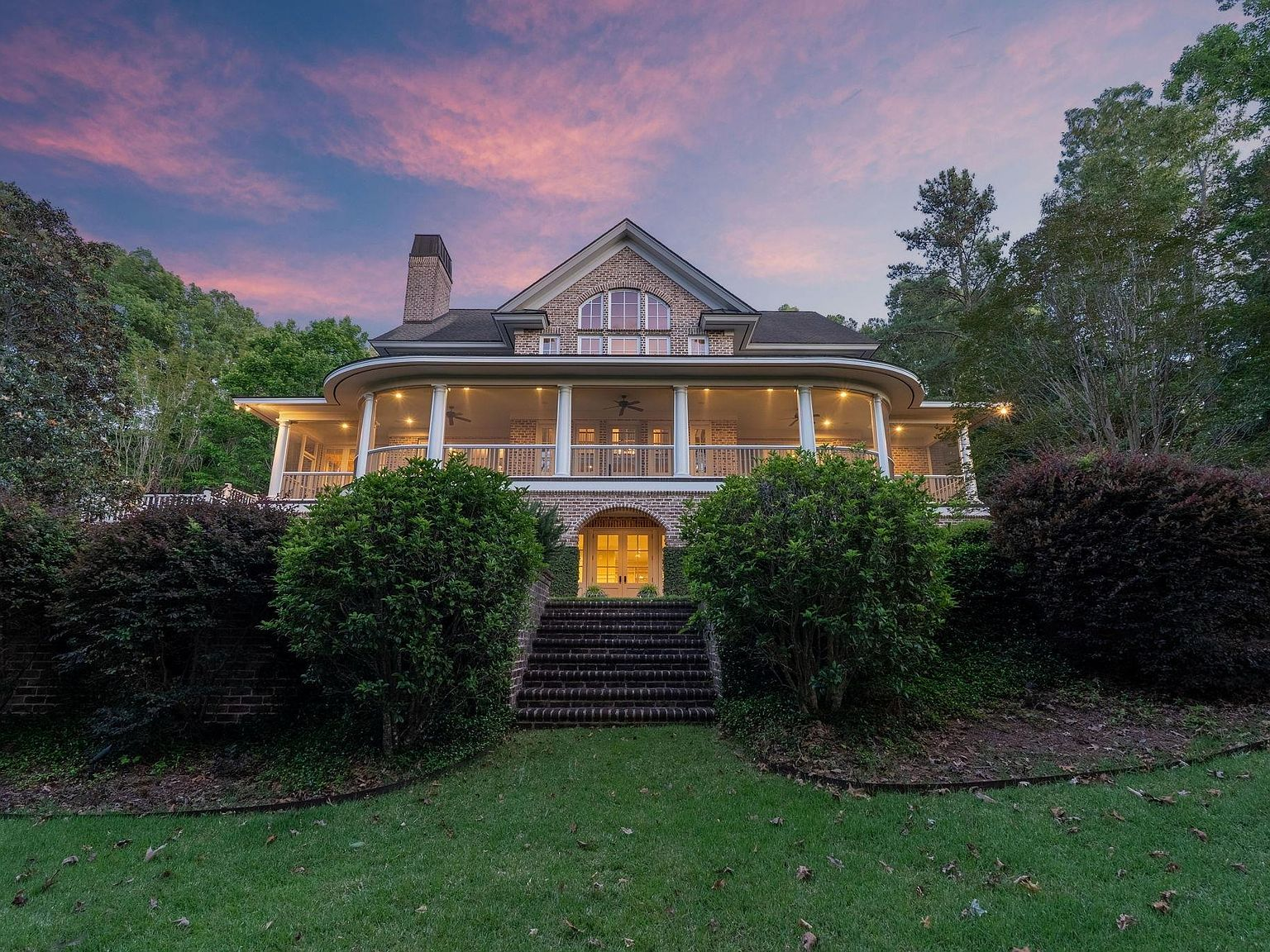
If Lake Murray is the lake for you, 664 River Rd sits on the kind of parcel buyers wait years to find: 1.6 private wooded acres close to the dam with approximately 173 feet of frontage and deep-water access. The fully equipped Trex dock includes a boat lift, a jet ski lift, a floating dock, and a gazebo.
The residence is a custom Catalyst Architects design with over 6,000 square feet of heated living space, a residential elevator, a master on main, and an 814-square-foot screened porch wrapping the back of the home facing the water. It is listed at $3,200,000.
Because deep water is the deciding factor for so many buyers, the plat and seller’s disclosure are both available in the documents section. For the feel of the local market, the neighborhood page covers schools, commute times, and the everyday Lake Murray lifestyle. When you are ready, the full property story begins on the homepage.
Lake facts drawn from public sources including the South Carolina Department of Natural Resources, Dominion Energy, Duke Energy, and the U.S. Geological Survey. Surface areas, shoreline mileages, and seasonal water levels are approximate and vary by source and season; always verify current lake levels and dock permitting with the operating utility before making an offer.